B2B vs. B2C Customer Experience: Key Differences
Table of Contents▼
- What Do B2B and B2C Mean?
- B2C vs. B2B at a Glance
- Key Differences Between B2B and B2C
- B2B vs. B2C Customer Experience
- B2B vs. B2C Marketing
- B2B vs. B2C Sales
- B2B vs. B2C Retention Strategies
- Which Model Is Right for Your Business?
- FAQs About B2C vs. B2B
- Strong Customer Experience Looks Different in B2B and B2C
B2C vs. B2B comes down to who you sell to. B2C companies sell to individual people. B2B companies sell to other businesses. That difference changes everything from marketing and sales to onboarding and customer experience.
Why does this matter? Because buyers expect different experiences. A shopper buying shoes online wants speed and convenience. A business buying software wants training, onboarding, and long-term results.
In this article, you’ll learn:
- How B2B and B2C customer experience differ
- What buyers expect during sales and service
- Which strategies improve retention and growth
What Do B2B and B2C Mean?
B2B and B2C explain who a company sells to. B2B means a business sells to another business. B2C means a business sells to individual people.
B2B Definition
B2B means “business to business.” The company sells products or services to another company.
Examples include:
- Payroll software
- Commercial cleaning services
- Wholesale food suppliers
- Shipping platforms
B2B sales take longer because several people might need to approve the purchase. A buyer might need sign-off from finance, operations, or leadership teams, as examples.
Plus, buyers want proof the product saves time or boosts revenue. Good support after the sale also reduces customer churn and service complaints.
B2C Definition
B2C means “business to consumer.” The company sells straight to individual people.
Examples include:
- Clothing brands
- Food delivery apps
- Streaming services
- Fitness memberships
These buyers want convenience. They want quick checkout and easy returns.
Confusing pricing or difficult account setup can push buyers away. A good B2C experience enables people to buy, pay, track orders, and resolve issues without the headache.
Businesses That Serve Both B2B and B2C Customers
Some companies serve both audiences. That creates extra work for sales and customer service teams.
For example:
- A coffee roaster might sell beans to cafes and home buyers.
- A software company might sell enterprise plans, plus personal accounts.
- A furniture brand might sell to offices and homeowners.
Business buyers might want demos and account support. At the same time, consumer buyers might want a quick, fuss-free signup and self-service help.
Companies that treat both groups the same can sometimes run into customer complaints and lost revenue.
RELATED ARTICLE — The Fundamentals of Customer Service
B2C vs. B2B at a Glance
B2C and B2B companies sell in very different ways. Why? Because buyers need different proof before spending money.
You earn trust in different ways as well. Buyers expect certain experiences before, during, and after a sale.
Buyer Type
B2C companies sell to individual people. B2B companies sell to teams or businesses.
Someone might buy skincare products in 2 minutes, while a company might spend 3 months choosing accounting software.
Sales Cycle Length
B2C sales happen quickly. Buyers see a product, compare prices, and then buy.
For B2B, sales take longer because teams have to review contracts, pricing, security, and long-term value before saying yes.
Decision-Makers
B2C purchases are made by one person or a household. B2B purchases involve several people.
Relationship Depth
B2C relationships are typically shorter.
B2B relationships, in contrast, last longer because companies rely on vendors for daily work, revenue, and customer service operations.
Purchase Motivation
B2C buyers care about convenience, price, and the customer experience. They might also want products that are on-trend or to shop with brands that reflect their values.
B2B buyers prioritize revenue, efficiency, and reducing costly problems. One poor software purchase can waste thousands of dollars, and that’s not to mention staff hours.
Customer Experience Expectations
What is B2C experience? It’s stress-free buying, responsive support, and smooth returns.
CX B2B is a bit different. Buyers expect onboarding calls, account communication, and reliable service during long contracts.
Key Differences Between B2B and B2C
B2B and B2C sales work differently from start to finish.
Buyers ask different questions. They worry about different risks too.
That changes how your team sells, communicates, and delivers the customer experience.
Individual Consumer vs. Buying Committee
In B2C, one person buys the product. They might ask a friend for advice or search online, but that’s about it. In B2B, multiple people take part in the decision.
For example:
- Finance teams care about budget.
- IT teams care about security.
- Managers care about results and staff time.
If one person says no, the deal can hit a roadblock. That is why B2B sales teams spend more time answering questions and sharing proof before the contract is signed.
Emotional, Convenience-Led Decisions vs. ROI-Led Decisions
B2C buyers crave convenience and act on their emotions. For example, say there’s a parent ordering dinner after work. They want something easy, but it also needs to be healthy for their family.
A compelling B2C experience removes frustration during checkout and delivery. Messaging plays into the emotional side of the purchase.
B2B buyers still react emotionally too. Nobody wants a purchase that creates extra work later.
But B2B buyers are more motivated by return on investment (ROI), which includes:
- Revenue
- Efficiency
- Fewer mistakes
- Better team performance
Shorter Transactions vs. Longer Sales Cycles
B2C purchases happen quickly. Someone sees a sale online and buys within minutes or hours.
B2B purchases take much longer because teams compare vendors, contracts, pricing, and service quality.
A good B2B customer experience strategy moves buyers through each stage of their consideration.
That can include:
- Demo calls
- Pricing sheets
- Onboarding plans
- Security answers
These steps help deals cross the finish line.
Lower-Touch Relationships vs. Higher-Touch Account Management
B2C companies rely more on self-service tools. Buyers want quick checkout, shipping updates, and easy refunds.
B2B companies spend more time with each customer. Account managers help clients solve problems and reach business goals.
This relationship can reduce churn and service complaints. It also gives teams a chance to fix issues before clients leave.
Mass Personalization vs. Tailored Solutions
B2C brands personalize for large groups of buyers. For example, an online store might recommend products based on browsing history or past purchases.
B2B companies personalize differently. They customize pricing, onboarding, reporting, or product features for each client.
For example:
- A hospital might need stricter security settings.
- A retail chain might need inventory reporting.
- A logistics company might need custom dashboards.
One size rarely fits all in B2B.
Different Feedback and Customer Signal Strategies
B2C companies collect feedback through reviews, ratings, and surveys. Buyers share opinions right after delivery or customer service chats.
B2B feedback comes in later down the line. Clients might chat about their experience during check-in calls or renewal discussions.
Teams watch for warning signs like:
- Lower product usage
- Repeat complaints
- Slower response times
- Fewer employee logins
These signs can warn teams before a customer cancels the contract.
B2B vs. B2C Customer Experience
Your approach to customer experience will change depending on who your customers are.
What B2C Customers Expect From CX
Great B2C customer experience is friction-free. People can buy what they want without wasting time or energy.
They benefit from features like:
- Pages that load quickly and work on desktop and mobile
- Preferred payment options
- Returns that take minutes instead of days
- Live chat customer support
Here are some specific examples:
- Delivery text updates stop “Where is my order?” calls.
- Guest checkout helps buyers finish purchases faster.
- Saved payment details reduce abandoned carts.
These changes make buying easier and encourage loyalty over time.
What B2B Customers Expect From CX
B2B buyers expect guidance during the entire relationship. A software buyer may need onboarding calls and staff training support, as well as quarterly review meetings.
B2B customers also want:
- Fast replies from account teams
- Invoice tools that save admin time
- Help during outages or technical issues
Remember, reliability is critical. B2B customers will lose money if the product or experience doesn’t work as expected.
Why B2B Customer Journeys Are More Complex
What is B2B customer experience? It means helping buyers through longer purchasing journeys with more people involved. One person rarely decides to make a purchase on their own.
For example:
- Finance teams review pricing.
- IT teams review security.
- Managers review workflows.
- Executives review business impact.
Each group asks different questions before approval. Buyers also compare vendors during several meetings and demos.
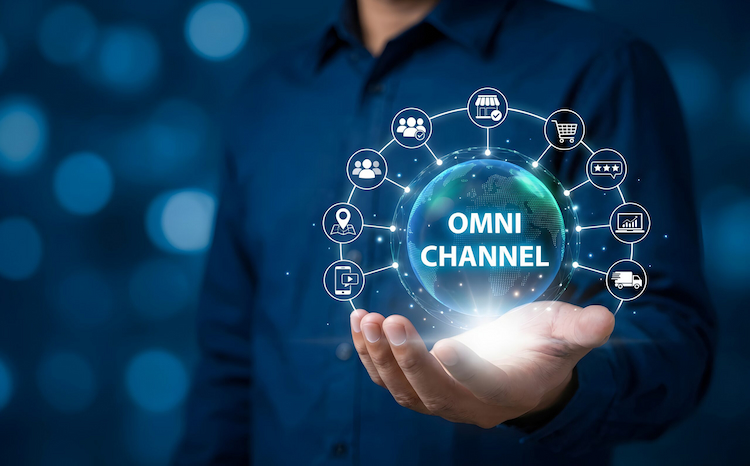
Why B2C Brands Need Consistent Omnichannel Experiences
B2C buyers switch between phones, apps, websites, email, and physical stores during purchases. B2B buyers do the same; B2B customers use an average of 10 interaction channels during the buying journey.
For B2C buyers, frustration brews when channels give them conflicting information.
For example:
- A coupon works online yet fails in-store.
- Product inventory changes between channels.
- Customer service teams can’t view past orders.
These disconnects confuse buyers. But consistent omnichannel experiences boost their experience, which encourages repeat shopping.
RELATED ARTICLE — How to Improve Customer Experience
B2B vs. B2C Marketing
B2B and B2C marketing appeals to buyers in very different ways. Why? Think about it like this.
Buying a $40 pair of shoes is one thing. Choosing software for 300 employees is a whole different ball game.
One buyer wants convenience and speed. The other wants confidence that the purchase solves major business problems better than anything else on the market.
Messaging and Value Propositions
B2C messaging taps into personal wants and daily frustrations. A meal delivery app sells easier weeknights, and a skincare brand sells confidence before a big event.
B2B messaging talks more about business results.
For example:
- Lower operating costs
- Faster workflows
- Fewer customer complaints
- Better staff productivity
Business buyers want evidence that the product solves genuine operational problems. They also want reassurance the vendor can handle long-term company needs.
Content Formats and Proof Points
B2C brands use short videos, product photos, influencer posts, and customer reviews.
Even in today’s digital-first world, in-person experiences are still important. In fact, 52% of US adults seek them out. People want to touch, test, or try products before they spend their money.
B2B buyers search for more details. That can include:
- Case studies
- Product demos
- ROI calculators
- Technical documents
Channels and Conversion Paths
B2C buyers might purchase after one Instagram ad or email campaign.
B2B buying journeys take longer. Buyers might:
- Attend demos
- Compare vendors
- Read white papers
- Speak with sales teams
- Review contracts internally
Role of Reviews, Testimonials, and Referrals
In B2C, 97% of consumers read reviews for local businesses. That stat makes it crystal clear: people value others’ opinions and experience.
People read reviews to answer questions like:
- Does shipping arrive on time?
- Are returns difficult?
- Does customer service reply quickly?
In B2B, referrals are worth their weight in gold. Buyers trust feedback from companies facing similar operational problems. The most effective testimonials connect the product to business outcomes with data, like saved time or fewer service issues.
B2B vs. B2C Sales
Sales is the process buyers go through before they commit to a purchase. That process unfolds very differently in B2B vs. B2C.
Sales Team Involvement
B2C sales rely more on self-service experiences. People want quick answers, smooth checkout, and fewer steps before payment.
Too much automation can backfire, though. Forrester predicts one-third of brands will damage customer trust through self-service AI experiences.
B2B sales teams spend far more time with buyers through demos, calls, and onboarding conversations.
Interestingly, 19% of B2B sales teams are using generative AI and having huge success with it.
Stakeholder Education
B2B buyers need more information. Finance teams want pricing details, and IT teams want security answers, as examples.
A buyer might ask:
- How long does setup take?
- Will this reduce manual work?
- What’s the learning curve like?
B2C buyers need fewer conversations before checkout.
Pricing and Procurement
B2C pricing is most effective when buyers can see the full cost immediately. Hidden fees or confusing subscriptions tend to turn people away.
B2B pricing changes from client to client. One company might need extra onboarding or additional user licenses.
Before approval, procurement teams also review contracts. Flexible pricing allows companies to pay for what they actually need, rather than for extra features they will never use.
Post-Sale Onboarding
In B2C, buyers want to get set up as quickly as possible. That might mean a welcome email or mobile app walkthrough.
B2B onboarding demands more time because teams need employee training, account setup, and system integration.
A rushed onboarding process creates frustration and can lower product usage. On the other side of the coin, effective onboarding gives clients access to the product’s value sooner.
B2B vs. B2C Retention Strategies
Winning a customer is expensive. Losing one means lost revenue and higher marketing costs.
That’s why retention is integral to both B2B and B2C success.
Loyalty Programs and Repeat Purchases for B2C
B2C brands use rewards and convenience to encourage repeat purchases. Buyers shop again when the experience saves them time or money.
That can include:
- Points programs
- Birthday discounts
- Free shipping offers
- App-only rewards
Responsive B2C customer service is also important. Fast refunds and useful replies give buyers fewer reasons to try out another brand later.
Account Management and Business Outcomes for B2B
B2B retention depends more on business results. Clients want vendors who reduce problems and improve daily operations.
Account managers can:
- Solve service issues
- Train employees
- Improve product adoption
Feedback Loops, Customer Health Scores, and Sentiment Tracking
B2C companies collect feedback through reviews, surveys, and customer service chats. B2B teams track longer-term customer signals relating to product usage and account activity. Both can keep track of buyer sentiment using review management software.
You might monitor:
- NPS feedback
- Product usage rates
- Renewal risks
- Complaint patterns
- Employee adoption
These insights allow teams to identify unhappy customers before there’s talk of cancellation.
Which Model Is Right for Your Business?
The right model depends on who you sell to and how they buy. Some companies serve one audience. Others serve both.
The key to unlocking better customer experience is giving each buyer the journey they actually want instead of forcing everyone through the same process.
Questions to Ask Before Defining Your Customer Strategy
Ask yourself:
- Who buys your product?
- How long does the purchase take?
- Who approves the purchase?
- What problems frustrate buyers most?
How to Adapt if You Serve Both Audiences
If you serve both groups, separate the experience wherever possible.
For example, you might use different:
- Onboarding flows
- Pricing pages
- Email campaigns
- Customer service paths
- Messaging
FAQs About B2C vs. B2B
We’ve answered common questions about B2C and B2B audiences.
What is the difference between B2B and B2C customer experience?
B2C customer experience helps individual buyers purchase quickly and easily. B2B customer experience helps companies during longer buying journeys with more people involved.
What is B2C experience?
B2C experience is how people interact with a brand before, during, and after a purchase. That includes websites, checkout, shipping updates, returns, and customer service.
What is B2B customer experience?
B2B customer experience covers every interaction between a company and its clients. That includes demos, onboarding, training, account communication, and renewals.
Why is CX different in B2B?
CX works differently in B2B because purchases involve larger budgets, longer contracts, and several decision-makers. Buyers also face more risk if the product fails.
How can B2B companies improve CX?
B2B companies can improve CX through faster communication, better onboarding, easier training, and quicker problem resolution after purchase.
Strong Customer Experience Looks Different in B2B and B2C
B2B and B2C buyers want very different experiences. One person might want quick checkout and easy returns. Another buyer might need demos, onboarding, and approval from several teams. That is why customer experience can never be one-size-fits-all.
The companies winning today understand their buyers’ real problems. Then, they map out personalized journeys that cater to those needs.
Take action now:
- Review your customer journey from start to finish.
- Find one step causing buyer frustration.
- Ask recent customers where confusion happened.
- Simplify one onboarding or checkout step this week.