Voice of the Customer: What It Is, Why It Matters, & How to Build a Program
Table of Contents▼
- What Does “Voice of the Customer” Mean?
- What a Voice of the Customer Program Looks Like
- How to Build a Voice of the Customer Program
- How to Collect Voice of the Customer Data
- Analyzing and Acting on VoC Insights
- How Listen360 Supports Voice of the Customer
- FAQs About Voice of the Customer
- Conclusion & Next Steps
Understanding the voice of the customer (VoC) is obviously important for businesses. Whether they are large or small, companies need to measure how customers feel about their products, services, and brand.
Customers are very aware that most companies don’t listen to them. A significant 72% say they never hear back from a business after filling out a survey, and 71% think the company won’t make any changes based on their feedback.
To take full advantage of VoC insights, your business not only needs to have a system for collecting, analyzing, and using feedback to inform decisions; you also need to correctly engage customers and show them their opinions matter.
In this article, we will look at VoC as a concept. You’ll read about setting up a complete voice of the customer program that includes everything from feedback collection to decision-making. We’ll also discuss tools to help with this process and give you steps you can take today to get started.
What Does “Voice of the Customer” Mean?
Voice of the customer programs include much more than surveys. A truly effective program collects different types of feedback. The framework also includes methods for looking at behavior and measuring sentiment.
RELATED ARTICLE — Change How Your Customers Experience Customer Service
Definition and Core Principles
What does the voice of the customer mean? It covers everything customers say and feel about your product and service. It also covers the actions they take related to your brand.
The goal of a VoC program is to understand what customers want and need. You can get insights into your company’s shortcomings as well so you can correct them. In other words, you can use the program to continuously improve the customer experience.
Difference Between VoC, NPS, CSAT, and CES
Voice of the customer objectives can vary by business. The goal is always to get a complete picture of the customer experience. To do this, you need to use different metrics. Here are four terms you need to know when building a voice of the customer program:
- VoC is the entire program for collecting and using feedback.
- A net promoter score (NPS) measures customer loyalty by asking customers how likely they are to recommend your business to a friend.
- A customer satisfaction score (CSAT) measures how a customer feels about your business at a specific time (such as after they make a purchase).
- A customer effort score (CES) covers how easy it was for a customer to use your business.
Together, these metrics give you a comprehensive view of the customer data.
Why VoC Matters for Modern Businesses
A voice of the customer solution requires a lot of effort and different tools. Why is building a program worth it?
- Customers have more choices than ever before. You might lose them if you don’t understand what they want and what they dislike.
- Concrete feedback makes decision-making easier. You can use data rather than just guessing.
- Negative feedback lets you find and fix problems before they become widespread.
- Using feedback can increase loyalty, especially if you let customers know their insights are valued and lead to changes.
Overall, a good VoC program will put you ahead of competitors who don’t have a framework for customer feedback.
What a Voice of the Customer Program Looks Like
A VoC program has clear goals and a well-designed system with different experts to handle specific tasks.
RELATED ARTICLE — How to Build a Customer Experience Management Strategy
Key Objectives of VoC Programs
The program should be built around specific aims:
- Identify the experiences and products customers want.
- Improve the overall customer experience.
- Inspire loyalty from customers.
- Make services or products better.
- Create a culture of continuous improvement.
Of course, the ultimate goal for every business is to increase revenue and grow. VoC can play a role in making this possible.
Typical VoC Stakeholders and Teams
Specific stakeholders and professionals are vital for a successful voice of the customer effort:
- Executives or owners make a broad strategy for using VoC and use the data to make decisions.
- Customer experience (CX) specialists are the ones who actually manage the VoC framework and collect and analyze data.
- Marketing and production teams use VoC insights to create campaigns and fine-tune products or services.
- Customer service reps collect feedback and also use it to improve the customer experience.
With everyone playing their part, you get a continuous loop of collecting and using VoC data.
Examples of Successful VoC Initiatives
A retail store might collect feedback after customers make a purchase. Low CES or NPS scores might trigger further investigation. The company might find an issue, such as confusion about the checkout process. They can clearly define the problem via feedback and make corrections. They can then use NPS and CES scores again to make sure the changes worked.
Also, consider a hotel. The CX team can get data from in-room or mobile app surveys. They can locate the unsatisfied customers and take immediate steps to fix issues. For instance, they can offer discounts or complimentary services to solve or compensate customers for the issue they experienced.
How to Build a Voice of the Customer Program
VoC customer feedback programs need specific parts. It’s best to use a step-by-step approach when building these programs.
RELATED ARTICLE — The Best Times & Channels to Request Customer Feedback
Setting Goals and Success Metrics
You need to know if your VoC program is working. Start by defining what you want to achieve and how to measure the achievements. Talk about goals in metrics rather than abstract aims.
Goals can include improving NPS or CSAT figures or increasing the number of repeat customers. You can also measure the revenue or the number of sales.
Choosing the Right Feedback Channels
Business operations today collect a lot of data. Using everything can overwhelm staff. It’s important to find the right feedback channels to get useful customer insights without creating extra work for team members.
For example, NPS surveys can measure customer loyalty. If you use NPS software, you shouldn’t have any other metrics that also measure loyalty. The same applies to things like CES and CSAT, which measure customer experience and satisfaction.
You can also use indirect feedback from social listening software or customer interviews and focus groups. However, you should avoid feedback that doesn’t have anything to do with your business.
Designing Your Feedback Collection Plan
A feedback collection plan should get insights from customers without forcing them to make too much of an effort. For instance, have short pop-up, mobile, or text surveys right after a purchase or after service. Combine NPS and CES questions into one survey.
Also, use different channels. If you only use an app, you won’t get insights from customers who use your website instead. Add text message surveys to ensure you are getting insights from these people as well.
Creating a Feedback Lifecycle (Capture → Analyze → Act)
Make a clear map for the program. After collecting, put the data through the analysis process. Take out info that isn’t accurate or is redundant. Use it to create reports that have all the metrics needed to make informed decisions. Then, let decision-makers apply the insights.
This process should happen in a loop, with new feedback starting the process again.
How to Collect Voice of the Customer Data
You can get customer data directly and indirectly. Here is what you need to know about each method of data collection.
Surveys, NPS, and Structured Feedback Collection
Surveys, NPS questions, and direct feedback get collected right after an action. This could be a purchase or contact with customer service reps. Collect this info with short surveys via email, app, pop-up, or text message.
Unstructured Feedback: Reviews, Social, Open Text
Comments on reviews and social media platforms measure overall brand perception. They also consider sentiment and comparisons with the competition. AI tools can help scan and collect this information so that you don’t have to do it manually.
Transactional vs. Relational Feedback Timing
Surveys and NPS data are transactional feedback. You ask the questions right after a customer performs an action; it’s best to capture their insights while the experience is fresh.
Relational feedback is about general perception and overall feeling. It’s not necessary to get right after customers make a purchase or avail a service. However, you should collect and use this data at regular intervals. This lets you see if there are any changes that require action or further investigation.
Integrating VoC Data Across Systems
You need a complete picture of VoC, meaning customer feedback from surveys needs to be integrated with social listening tools. You can do this manually, but tools like Listen360 can put data from different sources on one central dashboard for easy access.
Analyzing and Acting on VoC Insights
Once you have data from relevant sources, it’s time to start getting value from it by analyzing it. There are four different parts to this process.
Tagging, Sentiment Analysis, and Categorization
The first step is to prepare the data for analysis.
- Tag feedback by labeling it. This makes it easier to put it into a category. For example, if a customer complains about a website crash, you’d label the feedback “web issue.”
- Sentiment analysis involves detecting the tone or emotion of feedback. Today, this is usually done with AI tools.
- Categorization puts feedback into specific categories. This makes analysis and reporting easier. For instance, you could have categories for customer service, transactions, and product quality.
The goal of this first step is to make the analysis easier and more focused.
Turning Feedback into Frontline Actions
The goal of the next step is simple: use feedback to make improvements.
- Create channels to communicate feedback directly to teams that can fix the issue.
- Give these staff members the tools to act right away to fix the issue.
- Deal with the issues mentioned by multiple customers first.
It’s also important to communicate with customers after their first contact. If you fix the issue or use their feedback to make improvements, let them know. This shows them that their feedback has value to you.
Reporting for Executives and Teams
Create reports that show the results of VoC analysis. These reports should be relevant to the people who will use them. For instance, owners and execs want data that supports strategic decisions. Teams need more actionable insights they can apply quickly to fix issues.
Prioritization Frameworks (Impact vs. Effort)
It’s impossible to act on all feedback at once. You can prioritize actions by the impact they have. For instance, you can focus time and resources on dealing with issues that have the most impact on your business.
An impact versus effort matrix lets you decide how to spend time and resources. It keeps you from focusing on solving problems that won’t have much of an impact.
How Listen360 Supports Voice of the Customer
Third-party voice of customer services can streamline feedback collection. Listen360 is a customer experience software that collects feedback for every industry.
Real-Time Feedback Capture and Alerts
Listen360 provides real-time feedback. This is important for dealing with issues that can immediately impact your business and harm customer experience. This feature can support quick frontline actions.
Dashboards and Trend Analysis
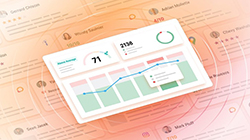
The dashboard puts information in one place for quick access. Meanwhile, automated trend analysis helps track problems and improvements over time. It can also offer early warning for problems that may not be evident to staff.
Automated Workflows for Actioning Insights
Automation can help get insights to management and frontline staff quickly so they can act right away. You don’t have to wait for someone to manually send the alert, which could waste valuable hours.
Integration with CRM and Daily Operations
Voice of the customer programs are powerful on their own for decision-making and solving customer service issues. They can be even more useful when combined with CRM tools. This provides context for each piece of feedback. It can help prioritize actions and focus on high-value customers.
Also, integrating with business operation software can help connect feedback with potential operational problems.
FAQs About Voice of the Customer
Here are common questions business stakeholders often have about VoC programs.
RELATED ARTICLE — NPS Question Guide: Ask the Right Question & Get Useful Feedback
How do VoC programs improve customer retention?
Feedback analysis can show companies why customers stay and why they leave. This makes it possible to keep the traits they like and correct the problems that drive them away.
What types of feedback should I collect for VoC?
You can collect NPS, CES, and CSAT data. Also, consider exit surveys, focus group interviews, and social media listening insights.
How often should I run VoC surveys?
You can run VoC surveys continuously, with feedback collected after each purchase or service. However, do not overwhelm customers with unsolicited surveys.
Can small businesses implement VoC programs?
Yes, VoC programs can be very effective for small businesses. They can act more quickly and personalize follow-ups. Also, with the right tools, it can be a very cost-effective way to collect and analyze data.
How does VoC tie into NPS and CSAT?
VoC is the overall program for feedback collection and analysis. NPS and CSAT are important metrics that are part of most VoC programs.
Do VoC programs require specialized software?
VoC programs do not require specialized software. However, tools like Listen360 can streamline feedback collection and analysis. This makes VoC efforts much easier and less time-consuming.
How do you measure VoC program success?
Choose metrics that are important for your company. Measure them before starting the program and then look for improvements as your VoC efforts progress.
Conclusion & Next Steps
Voice of the customer programs are essential for modern businesses of all sizes. Voice of customer companies have an advantage over competitors who don’t use the data. Here is what you need to know to get started today.
VoC Implementation Checklist
Use these steps to start using VoC:
- Define goals in terms of metrics.
- Choose feedback channels and collection methods.
- Assign tasks to teams and stakeholders.
- Get the necessary tools.
Also, ensure that this is an ongoing process by making a complete feedback, analysis, and action loop.
Aligning VoC with Business Goals
VoC itself is not the final goal. Your aim is to create and maintain a successful business. Choose metrics that matter most for your business and your long-term plans.
Getting Started with Listen360 VoC Tools
Listen360 can streamline your VoC program and simplify the process of getting actionable insights from the right channels. There is no risk involved in choosing Listen360. You can request a demo to see if this software is right for your business and your goals.